

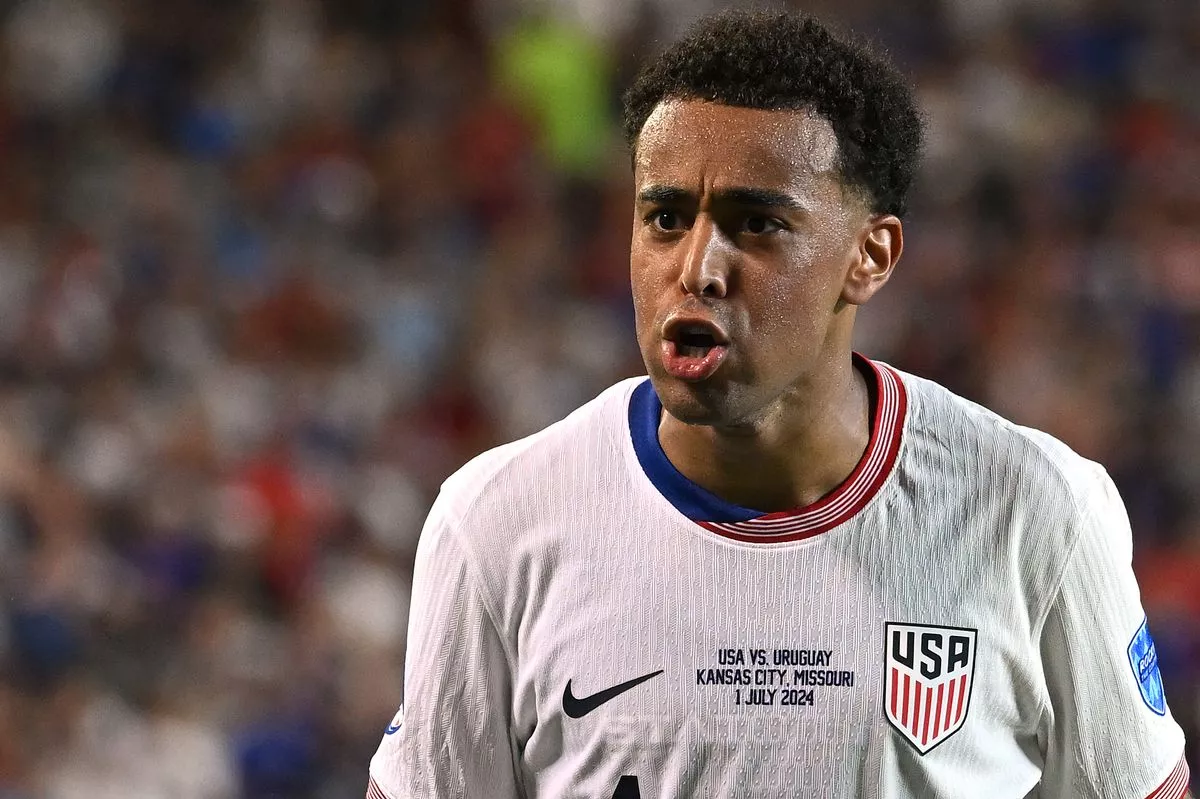
The U.S. Men’s National Team (USMNT) is turning its focus inward, emphasizing mental preparation as players gear up for the 2026 World Cup, which will be held on home soil. Veterans of the team say psychological readiness and belief in their abilities are key to performing under the intense pressure of a World Cup stage.
Team leaders are working closely with sports psychologists and coaches to ensure players can manage stress, stay focused, and maintain confidence during high-stakes matches. The goal is to combine physical skill with mental resilience to compete at the highest level.
Players are participating in sessions that simulate match pressure, focusing on decision-making, concentration, and composure under challenging conditions. Veterans emphasize that developing mental toughness is just as important as physical training in preparing for a tournament of this magnitude.
The USMNT squad is also fostering a culture of belief and unity, encouraging younger players to trust their skills and remain confident even in critical moments. Veterans note that a strong mindset can be the difference between success and missed opportunities in World Cup matches.
Coaches are integrating mental exercises into daily training routines, including visualization techniques, mindfulness practices, and strategies for staying composed during high-pressure scenarios. These exercises aim to improve focus, reduce anxiety, and enhance overall performance on the field.
Veterans point out that playing in front of home fans in 2026 will add both motivation and pressure. Preparing players psychologically is essential to harness the excitement and energy from supporters without letting it become a source of stress.
The team is also emphasizing adaptability, helping players stay mentally flexible when facing unexpected challenges, such as tough opponents or in-game setbacks. Building resilience is a priority, ensuring the squad can respond calmly and effectively in any situation.
Experts say that mental preparation is increasingly recognized as a critical factor in elite soccer performance. For the USMNT, combining tactical training with psychological readiness could provide a competitive edge in a tournament featuring the world’s best teams.
Team leaders encourage players to focus on what they can control—technique, communication, and effort—rather than external pressures. By maintaining a clear mindset, players can perform at their peak even in front of massive crowds and global audiences.
The USMNT’s mental preparation strategy also includes peer support, with veterans mentoring younger teammates to build confidence and manage expectations. This approach reinforces a positive team culture and shared belief in collective success.
Players are practicing mental routines that emphasize composure during penalty kicks, critical set pieces, and high-intensity moments. Veterans stress that mental rehearsal of key scenarios helps reduce anxiety and increase the likelihood of successful outcomes during actual matches.
By prioritizing mental readiness alongside physical training, the USMNT aims to approach the 2026 World Cup with confidence, resilience, and focus. The team believes that a strong psychological foundation will help navigate the pressures of playing on the world stage.
Overall, the USMNT’s preparation highlights the importance of mindset in elite soccer. Veterans and coaches alike emphasize that belief, focus, and composure will be crucial for success as the team competes for glory at the 2026 World Cup at home.
