

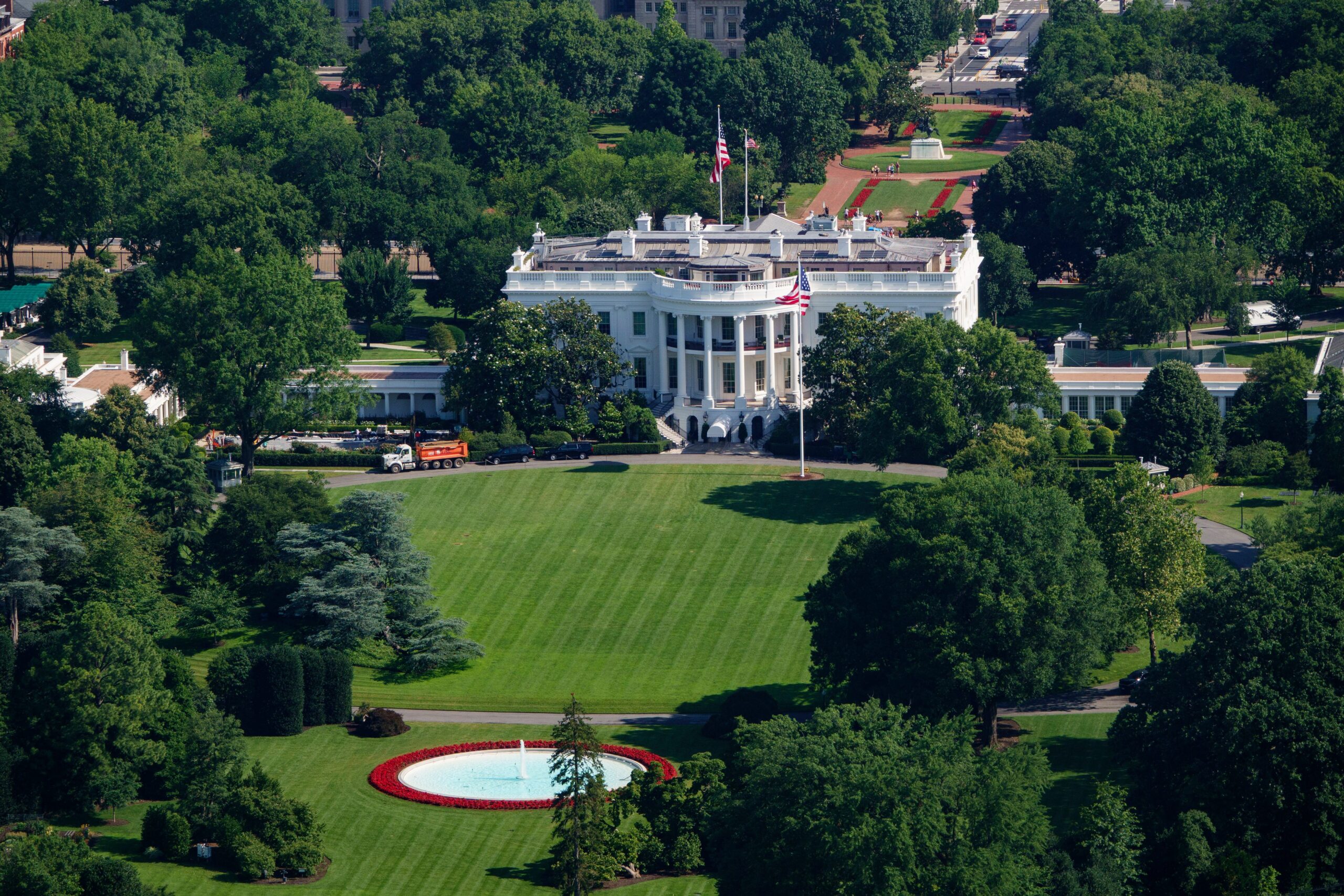
The White House ballroom stands as more than just a grand space for gatherings. It is a symbol of American history, diplomacy, and tradition, reflecting both the ceremonial and cultural life of the nation.
For decades, the ballroom has hosted state dinners, official ceremonies, and important national events. Its walls have witnessed diplomatic negotiations, celebrations, and historic milestones. The room serves as a tangible connection to the nation’s past and the ongoing story of American governance.
The architecture and design of the ballroom contribute to its significance. Elegant chandeliers, intricate moldings, and expansive spaces create a setting that conveys dignity and formality. The visual impact reinforces the gravity of events held there and impresses both domestic and international guests.
Diplomatic gatherings in the ballroom are especially meaningful. State dinners and receptions provide a platform for leaders to foster cooperation and strengthen relationships. The environment encourages dialogue and mutual respect, which are essential for constructive international engagement.
Beyond diplomacy, the ballroom serves cultural and ceremonial purposes. Award ceremonies, inaugural balls, and commemorations of national milestones are held within its walls. These events celebrate American achievements, values, and history, highlighting the space as a center of civic life.
The room also embodies continuity. Presidents and their administrations may change, but the ballroom remains a constant venue for formal occasions. Its consistent use symbolizes stability and the enduring nature of American democratic institutions.
Education and public engagement are other important aspects. Tours and educational programs allow visitors to appreciate the room’s history and significance. Understanding the ballroom’s role helps citizens connect with national heritage and recognize the importance of preserving historic spaces.
Security and protocol also shape the ballroom’s function. High-profile events require careful planning, from seating arrangements to ceremonial procedures. These elements ensure that the space serves its diplomatic and cultural purposes effectively, while maintaining order and decorum.
The ballroom’s historic value is further enhanced by the stories it contains. From hosting visiting monarchs to celebrating victories in space exploration, each event contributes to the national narrative. The room is a living museum, where past achievements and historical moments are remembered and honored.
Maintaining the ballroom also reflects broader preservation efforts. Protecting its architecture, furnishings, and artwork ensures that future generations can experience the same grandeur and historical context. Preservation is both a cultural and educational responsibility, safeguarding the room for decades to come.
Critics may question the necessity of such ceremonial spaces, but their importance extends beyond aesthetics. The ballroom facilitates diplomacy, honors tradition, and promotes cultural understanding. It is a symbol of the nation’s ability to balance governance with ceremony, history with modernity.
The White House ballroom illustrates how space can shape experience. Diplomats, citizens, and visitors interact within a setting that reinforces respect, collaboration, and reflection. The room provides a backdrop where important decisions and cultural celebrations coexist.
Ultimately, the ballroom is a living emblem of American values. Its walls reflect the country’s dedication to diplomacy, ceremony, and continuity. By preserving and using this historic space, the United States demonstrates respect for tradition while embracing its role in global and domestic affairs.
The White House ballroom remains more than a venue. It is a stage for history, a hub for diplomacy, and a testament to the nation’s enduring principles. Its continued relevance underscores the importance of ceremonial spaces in shaping and reflecting American identity.
