

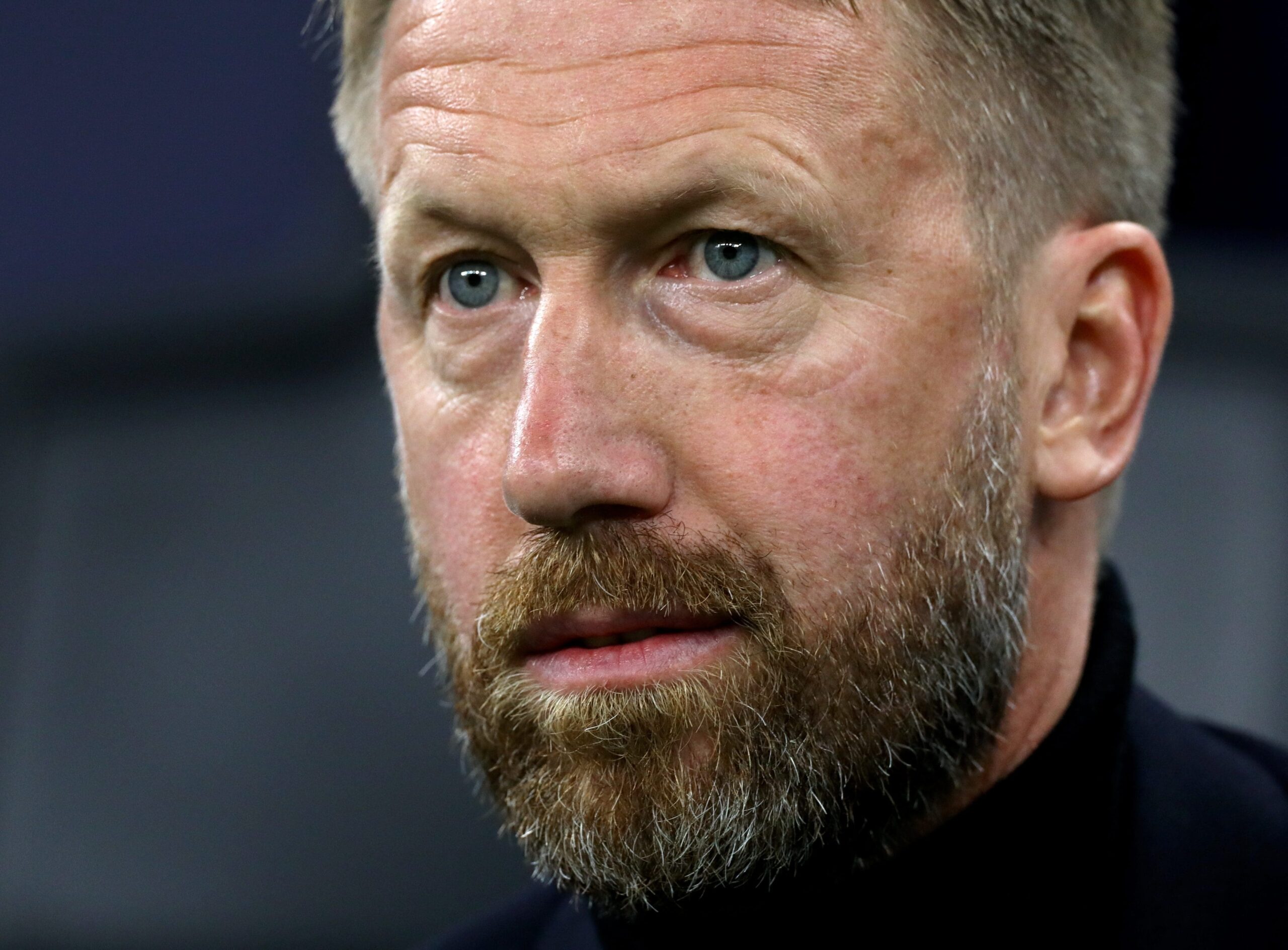
Graham Potter’s career trajectory has plunged sharply, from being touted as Sir Gareth Southgate’s potential England successor to suffering two brutal sackings at Chelsea and West Ham.
Potter left Chelsea after seven months and West Ham after only eight, enduring the consequences of poor results and unsteady club environments. At West Ham, the team sits 19th in the Premier League, having lost four of its last five matches.
Chelsea chaos and the perfect storm
Potter described his Chelsea stint as a “perfect storm,” joining the club under new ownership after Thomas Tuchel’s departure in September 2022. The January transfer window alone saw a £323m spending spree.
A meticulous coach who thrived on structure at Brighton, Potter struggled with Chelsea’s oversized squad, where the changing room could barely fit all players. He left Stamford Bridge in April 2023 after being sacked.
A similar fate at West Ham
At West Ham, Potter entered another chaotic environment, undermining the reputation he built at Brighton. He won only six of 25 matches, and his calm, low-key personality failed to win over demanding fans.
His dismissal at West Ham may sting more than Chelsea, as he waited 637 days for a carefully considered return to management. He had viewed West Ham as the ideal platform for success, describing his arrival as “a bit like Christmas—Christmas for the adults.”
Instead, his tenure became a drawn-out nightmare, ending just 24 hours after he participated in pre-match media duties. Potter was not the only target of fan frustration, which also focused on chairman David Sullivan and vice-chair Karren Brady, with protests erupting before a home defeat to Crystal Palace.
From a measured talent to overwhelmed
Potter arrived at West Ham refreshed and highly regarded, attracting attention from both the Football Association and Everton. He gained recognition as a thoughtful builder of clubs rather than a quick-fix manager, making him ill-suited to Chelsea’s demands.
After a long wait for the right opportunity, Potter walked into a club with problems beyond his control. He rose to prominence at Ostersund in Sweden, moved to Swansea in June 2018, and earned a move to Brighton in 2019.
Brighton offered patience and strategic planning under owner Tony Bloom and technical director Dan Ashworth, with a recruitment team that discovered talents such as Moises Caicedo and Alex Mac Allister.
Success at Brighton
Potter excelled on the training ground, leading Brighton to ninth in the Premier League before leaving for Chelsea when the Seagulls were fourth after six games. He led Chelsea to the Champions League last eight but struggled to cope with instability at Stamford Bridge.
His fall stems from joining clubs with opposite approaches to Brighton, where Bloom maintained faith even after only two wins in 19 games. No Premier League club since has provided such trust and patience.
Former England defender Martin Keown said Potter could have become England manager. Now, with his Chelsea and West Ham records under scrutiny, his next Premier League role becomes crucial.
Premier League record
Potter’s Premier League win percentages have remained low throughout his career. At Brighton, he won 34 of 120 matches, a 28% ratio. At Chelsea, he won seven games, 32%, and at West Ham only six, 26%.
He excelled in organisation and tactical discipline but even looked lost at West Ham, particularly at set-pieces. Fans witnessed repeated defensive failures, conceding seven goals from set-pieces against Spurs, highlighting managerial responsibility.
The weight of failure
Potter’s calm demeanor gave way to visible stress as he faced his second high-profile Premier League failure. Where he goes next remains uncertain. He may find opportunities abroad, but returning to a major Premier League post seems unlikely.
His departure from West Ham marks a dramatic fall from grace, from England contender to a manager struggling to find stability and trust in top-flight football.
