

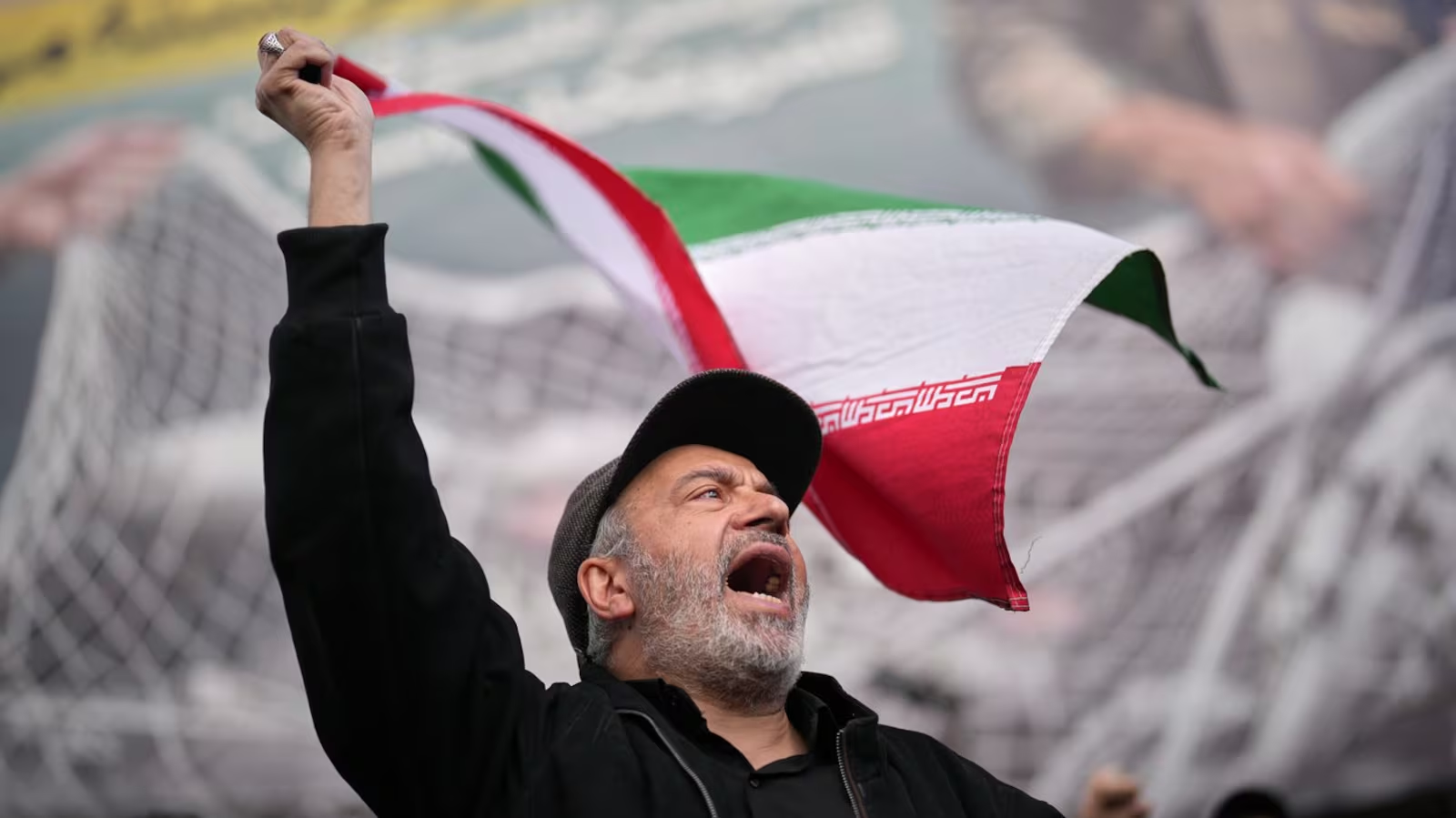
Iran’s Supreme National Security Council has accepted a temporary Iran two‑week ceasefire in the ongoing conflict, a move that could lower regional tensions and make room for diplomatic negotiations in Islamabad, Pakistan. The council’s announcement came after intense fighting and global concern about rising instability.
The ceasefire was agreed after mediation efforts involving Pakistan’s leadership. Officials from Tehran said the council approved the pause, which is intended to halt hostilities and allow negotiators from Iran and the United States to meet in Islamabad later this week. The temporary halt does not mean the war is over, but it opens a window for talks aimed at reaching a more lasting agreement.
Under the agreement, U.S. forces have agreed to suspend planned strikes on Iranian targets for the duration of the ceasefire. In exchange, Tehran has accepted the temporary pause in fighting and said it is ready to engage in negotiations. The framework for these talks will focus on ending the conflict more permanently and addressing key issues that have fueled tensions.
One of the major impacts of the Iran two‑week ceasefire is its effect on global shipping, especially through the Strait of Hormuz. This narrow waterway is critical for the transport of oil and gas, with roughly a fifth of the world’s energy supplies moving through it in normal times. Disruptions had pushed up prices and strained international markets. The temporary halt in hostilities is expected to ease these disruptions and reduce pressure on global trade.
Pakistan’s Prime Minister highlighted the importance of diplomacy during the ceasefire. He called on all parties to respect the pause and exercise restraint so that talks can make progress toward a peaceful resolution. There have been isolated reports of violations in some areas, but officials remain committed to maintaining the truce for its full duration.
The international reaction to the Iran two‑week ceasefire has been generally positive. United Nations leaders, regional powers, and Western governments welcomed the pause and urged both sides to use this time constructively. Many world leaders stressed that continued diplomacy will be essential to prevent a broader escalation.
Some countries also highlighted the humanitarian benefits of the agreement. The temporary pause in fighting is expected to improve safety for civilians in conflict zones and allow for critical supplies and services to reach affected areas. Human rights and humanitarian groups said the ceasefire could reduce suffering and open paths for longer‑term support.
Despite the progress, analysts warn that the Iran two‑week ceasefire is fragile. Military forces remain on alert, and underlying disputes — including disagreements over regional influence, sanctions, and military operations — have not been fully resolved. Experts say sustained diplomacy and clear commitments from both sides will be key as talks begin in Islamabad.
The decision to pause the conflict reflects intense diplomatic pressure, especially from mediators in the region who sought to prevent further escalation. Pakistan’s role as a host and facilitator has been widely noted, with leaders from several countries calling for continued engagement to build a more durable peace.
As the world watches, the next two weeks will be critical. The temporary Iran two‑week ceasefire could either pave the way for deeper negotiations and stability, or it could collapse if disagreements resurface. For now, the pause offers a rare moment for dialogue in a conflict that has drawn global attention and concern.
