

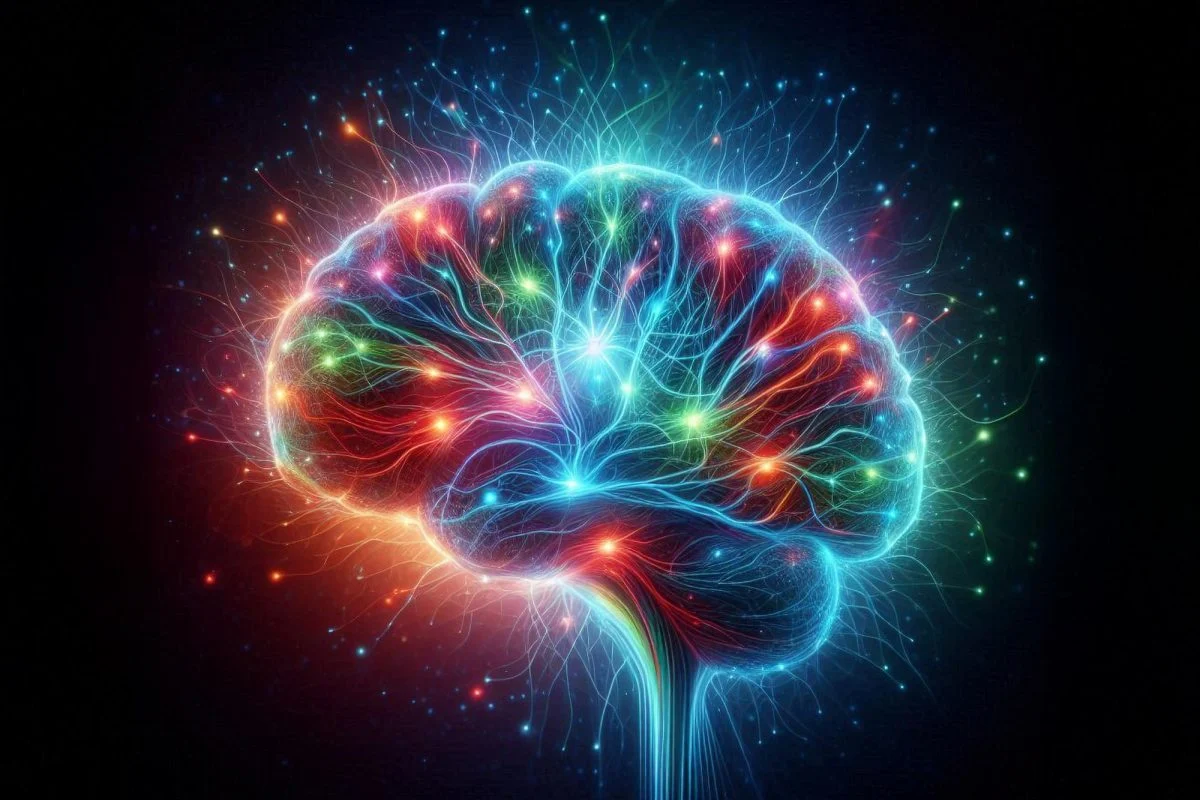
Researchers at the University of Arizona have identified previously overlooked brain cells that play a key role in memory formation. The discovery could lead to new innovations in neuroscience and health technology.
These specialized cells, located in regions of the brain associated with learning, help encode and retrieve memories. Scientists say understanding their function may provide insight into memory-related conditions such as Alzheimer’s and dementia.
“Our findings reveal a critical piece of the memory puzzle,” said the lead researcher. “By studying these cells, we hope to develop new therapies and tools to support cognitive health.”
The research team used advanced imaging techniques and lab experiments to observe the activity of these cells in real time. They found that the cells become highly active during memory encoding and remain involved during recall, suggesting they play a continuous role in memory processing.
Neuroscientists are excited about the potential applications. Improved understanding of memory formation could inform treatments for memory loss, enhance learning strategies, and contribute to the development of brain-computer interfaces.
The study also opens doors for health technology innovation. Devices and software aimed at monitoring brain activity or enhancing memory could leverage this discovery to improve accuracy and effectiveness. Startups in the neurotech space may apply these insights to create better cognitive support tools.
Analysts note that the discovery emphasizes the complexity of the brain. Even cells previously thought to be minor may hold major influence over cognitive function. This challenges existing models of memory and encourages further research into brain networks.
The research team plans to expand studies to explore how these cells interact with other neural circuits. Understanding these interactions may reveal new mechanisms for memory consolidation and retrieval, and could help prevent or treat neurological disorders.
Experts also highlight the potential for personalized medicine. By targeting specific brain cells involved in memory, future therapies could be tailored to an individual’s unique neural profile, improving outcomes for patients with cognitive impairments.
The discovery has implications beyond medicine. Education, artificial intelligence, and cognitive training programs could benefit from understanding how memory is formed and reinforced at the cellular level. This knowledge may inform strategies to enhance learning and decision-making.
The University of Arizona’s research underscores the importance of basic neuroscience studies. By examining previously overlooked components of the brain, scientists continue to uncover mechanisms that could transform health tech and deepen our understanding of human cognition.
As research progresses, these newly discovered brain cells may become central to innovations in neuroscience, cognitive health, and technology, offering hope for improved memory support and smarter neurotechnological applications in the future.
