

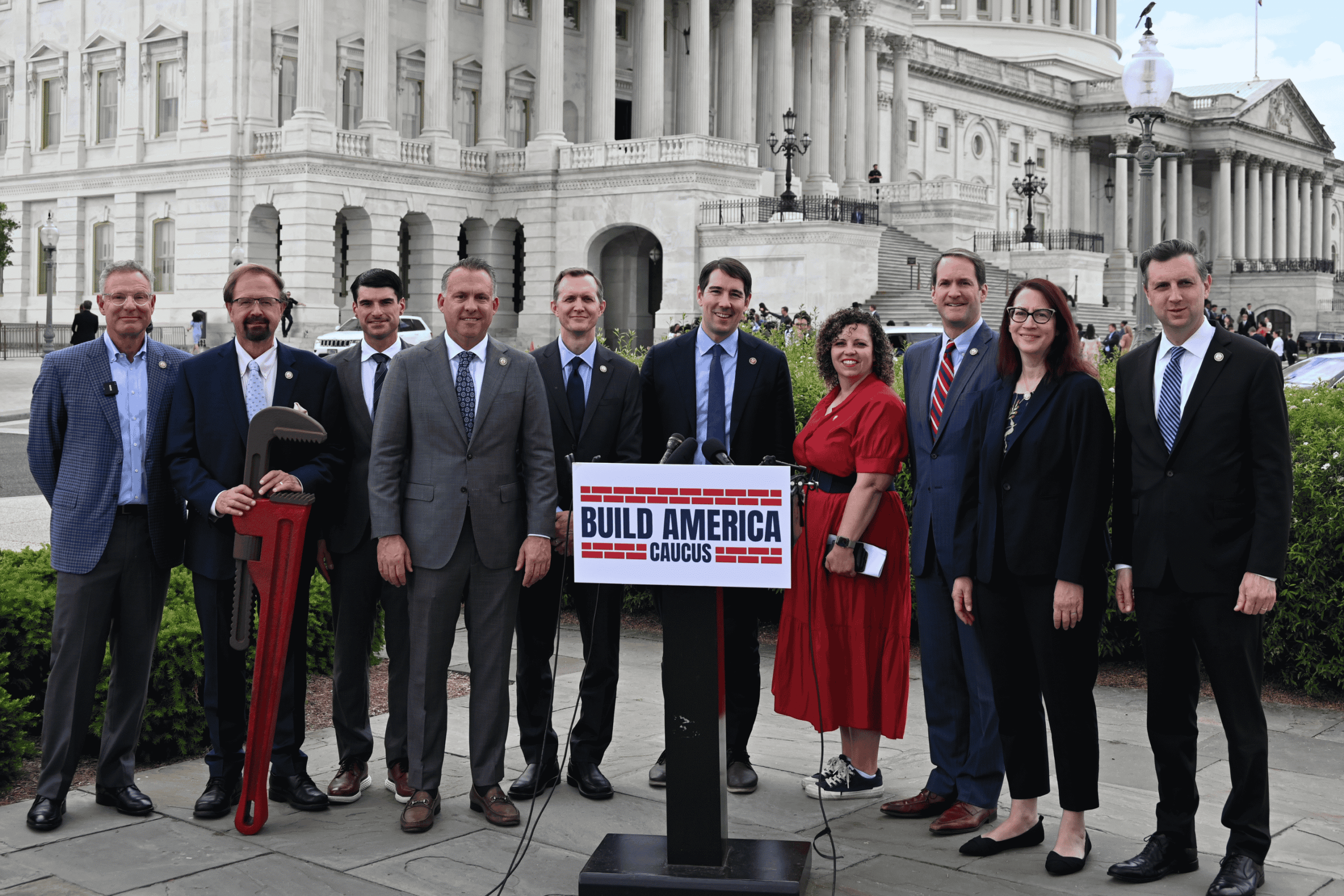
Congressional groups are showing growing progress in bipartisan foreign policy cooperation. Lawmakers are working together to build strategic frameworks that strengthen relationships with key partners abroad. Analysts say this cooperation reflects a commitment to united, effective foreign policy, despite domestic political differences.
Bipartisan caucuses have focused on issues such as trade, security partnerships, and regional stability. Representatives from both parties emphasize that collaboration is essential for maintaining global influence and advancing U.S. interests overseas. Experts note that such cooperation ensures continuity in foreign policy and strengthens alliances.
Members of Congress are engaging in discussions to identify areas where bipartisan solutions can be implemented. These include coordinated diplomatic efforts, joint economic initiatives, and security agreements. Lawmakers believe that working across party lines can produce practical strategies that serve both domestic and international goals.
The caucuses also bring in experts and stakeholders to provide insight on complex geopolitical issues. Analysts suggest that this approach allows lawmakers to make informed decisions, while presenting a united front to international partners. Bipartisan foreign policy cooperation increases credibility and fosters trust with allies and global institutions.
Public support for bipartisan engagement in foreign relations appears strong. Citizens respond positively when lawmakers prioritize strategic partnerships and global stability over partisan disputes. Experts argue that maintaining this momentum can help the U.S. navigate international challenges more effectively.
Economic and security considerations are central to these discussions. Lawmakers are examining ways to support trade agreements, enhance technological partnerships, and address global security threats collaboratively. Bipartisan foreign policy cooperation ensures that initiatives are both sustainable and resilient to political shifts.
Analysts highlight that congressional caucuses play a key role in shaping long-term foreign policy. By facilitating dialogue and cross-party collaboration, these groups help maintain consistent policies that strengthen the nation’s strategic position abroad. Lawmakers involved in caucuses stress that cooperation leads to more effective solutions and stronger international ties.
Regional and global partnerships are a primary focus of bipartisan foreign policy cooperation. Legislators are identifying countries where engagement can advance mutual economic growth, security, and diplomatic objectives. Experts believe that these efforts set a precedent for how Congress can act collaboratively on other international challenges.
The progress of bipartisan caucus work demonstrates a commitment to constructive, nonpartisan foreign policy. By aligning strategies and sharing expertise, lawmakers are enhancing the U.S. role in global affairs and ensuring that strategic relationships remain strong and effective.
Lawmakers plan to continue building bipartisan foreign policy cooperation, focusing on both immediate challenges and long-term strategic goals. Analysts say that this united approach strengthens alliances, supports global stability, and reinforces the importance of collaboration in shaping U.S. foreign relations.
