

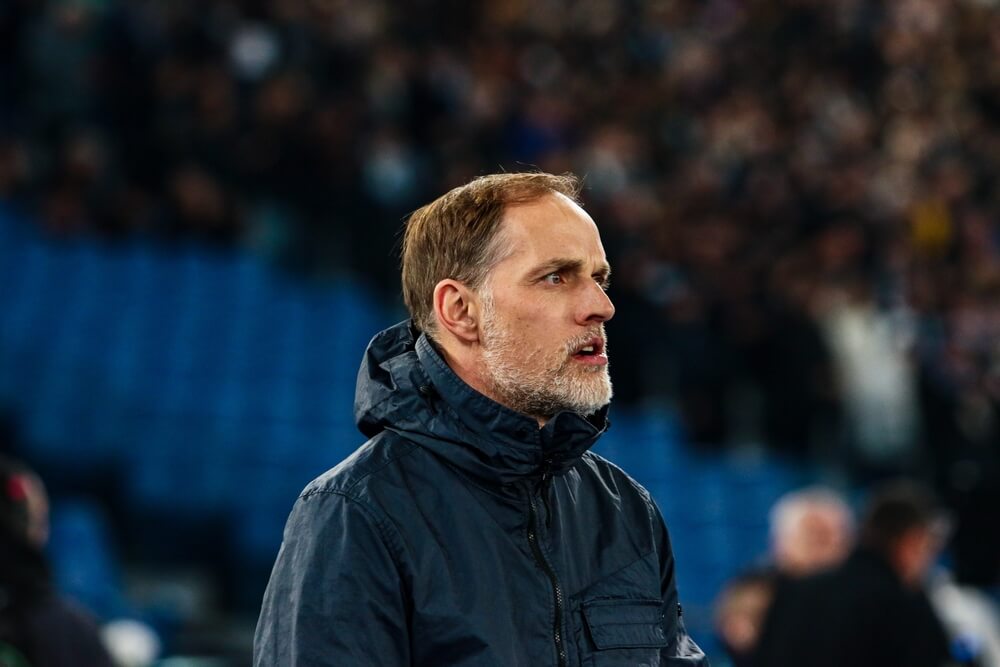
Thomas Tuchel’s contract extension as England head coach will delight the Football Association, but it also brings complications and a worrying historical echo. The FA can congratulate itself for securing an elite coach who guided England smoothly to World Cup qualification on a deal running to Euro 2028.
The FA can also point to stability, clarity, and confidence around the team’s future direction. The agreement removes uncertainty around Tuchel’s future and strengthens the perception of a long-term project.
A Strategic Move With Immediate Benefits
The timing of Tuchel’s new deal draws attention because the FA moved quickly to secure the 52-year-old German. The decision aims to lock him in after his flawless qualifying campaign and avoid distractions about his future.
Whether that strategy succeeds depends on England’s World Cup performance and whether the team justifies its status as one of the tournament favourites. The FA sees the extension as a strong day’s work, and Tuchel benefits because his contract previously ended after the World Cup.
Some of Europe’s biggest jobs could open after the tournament, and Manchester United likely viewed Tuchel as a candidate to replace Ruben Amorim. Other clubs may have shared that interest. The FA believes this commitment ends speculation and blocks outside approaches.
The Question That Refuses to Go Away
The decision still raises a clear question. Why now, and not after the World Cup campaign ends? The timing instantly recalls the Fabio Capello precedent, and that comparison carries weight.
The FA handed Capello a lucrative new deal just before the 2010 World Cup, amid rumours linking him to top European clubs. The move aimed to secure stability and extend his tenure to Euro 2012.
A Past Lesson That Still Resonates
The decision backfired when England exited the 2010 World Cup in the last 16 after defeat to Germany. Capello and the FA remained tied in an unhappy partnership until February 2012, when he resigned after the stripping of John Terry’s captaincy. Neither side expressed regret about the split.
Sir Gareth Southgate referenced that episode in his book when discussing his own contract talks after Euro 2024. He recalled Capello’s pre-tournament extension and the added pressure it created for the team.
This FA differs from the one that made that decision, and nothing suggests this agreement lacks mutual enthusiasm. The Capello case still serves as a cautionary tale for modern administrators.
FA chief executive Mark Bullingham said the deal removes the distraction of negotiations during the tournament. Critics question whether contract talks would even occur during a World Cup, when focus should stay entirely on matches.
Tuchel’s Perfect Qualifying Record and Clear Authority
Tuchel guided England through qualification with eight wins and no goals conceded, and his team improved with each game. He looked increasingly comfortable and authoritative with every match.
He showed independence by leaving Jude Bellingham out of the squad for the Wales friendly and the Latvia qualifier despite the player’s wish to return from injury. Tuchel made clear he would avoid a star-driven culture and focus solely on winning the World Cup.
A Risk That Depends on Tournament Reality
The extension looks logical on the surface, but it carries risk if England fail to deliver in the United States. England could face a challenging path even if they progress from the group stage, and failure would weigh heavily on both Tuchel and the FA.
The contract does not guarantee protection against disappointment, and tournament football remains the true test. England regularly cruise through qualifying, but knockout competitions expose weaknesses and pressure. Tuchel has not yet proven himself in that environment with England.
Stability Versus Tuchel’s Own Track Record
The deal may protect the FA from elite clubs if England succeed and interest grows. It also challenges Tuchel’s own history of shorter managerial spells. He stayed five years at Mainz, but he left Borussia Dortmund after two seasons and Paris Saint-Germain after three.
Chelsea dismissed him after 20 months despite winning the Champions League, and Bayern Munich parted ways with him after just over a year. A tenure until 2028 would mark a rare long-term commitment for him.
A Decision That Demands Time for Judgment
This contract could prove a masterstroke that secures one of the world’s most driven and successful coaches. The final verdict will only come after the World Cup, when results will decide whether this bold decision becomes triumph or warning.
