

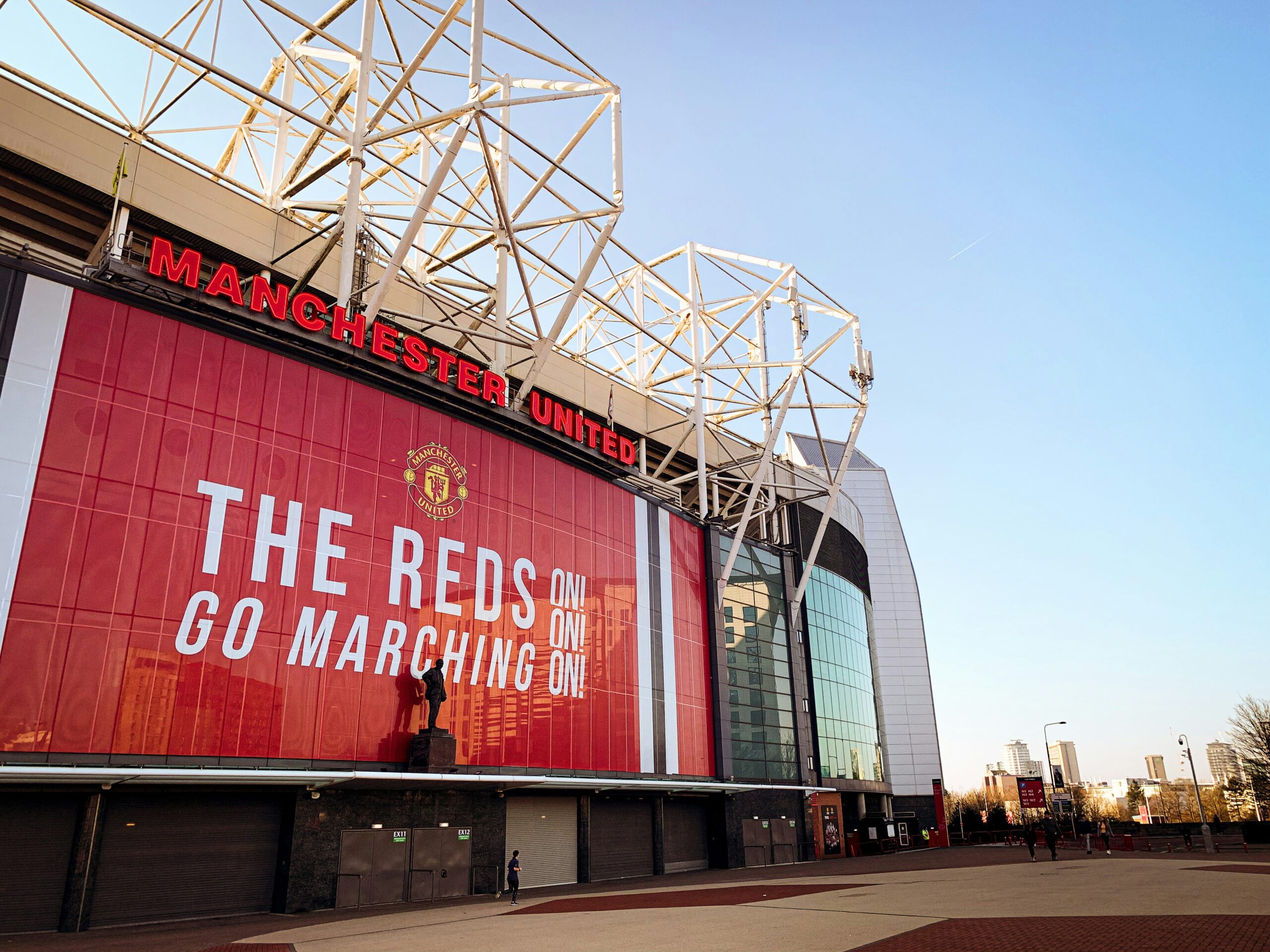
Manchester United generated £666.5m in revenue last year despite the men’s team finishing 15th in the Premier League.
This marked their worst league position since the 1973-74 relegation season.
A five-year front-of-shirt sponsorship deal with Snapdragon boosted commercial revenue to £333.3m, while matchday income reached a record £160.3m for the year ending 30 June 2025.
Chief executive Omar Berrada said, “Generating record revenues during such a challenging year shows Manchester United’s resilience.”
He added that the club is working hard to improve all areas for the long term.
United reported a £33m overall loss, down 70.8% from £113.2m the previous year.
The club confirmed compliance with Premier League Profit and Sustainability Rules and UEFA Financial Fair Play Regulations.
Deloitte ranked United fourth in global football revenue in January, behind Real Madrid (£883m), Manchester City (£708m), and Paris Saint-Germain (£681m).
Cost-Cutting Measures Begin to Show Effect
United reduced staff from 1,100 to 700 over the past two years, following controversial redundancies.
The club argued that trimming long-serving employees allows financial investment in the squad while staying rule-compliant.
Player wages fell £51.5m to £313.2m, mostly due to a 25% salary cut after failing to qualify for the Champions League.
An ‘exceptional items’ expense of £36.6m included payments to former manager Erik ten Hag, interim boss Ruud van Nistelrooy, and technical director Dan Ashworth.
United project turnover of £640–660m for the 2025-26 season, with the Snapdragon deal helping surpass Liverpool in commercial revenue.
Berrada said the cost-cutting program creates potential for better financial performance, which should support on-pitch success.
Broadcasting revenue dropped £48.9m because United played in the Europa League instead of the Champions League last season and currently do not compete in Europe.
Rising Debt and Transfer Commitments
Manchester United’s long-term debt, held since the Glazers’ 2005 purchase, remains at $650m (£471.9m at 30 June).
The club increased borrowings from its rolling credit facility to £165.1m from £35.6m.
Outstanding transfer fees also contribute to liabilities, appearing in ‘trade and other payables’ totaling £564.6m, up from £424.9m.
Since 30 June, United purchased Bryan Mbeumo, Benjamin Sesko, and Senne Lammens for a combined £156.8m.
Officials defended the spending as evidence of the club’s ambition to end its slump and compete for major trophies.
